You can call me Brandon
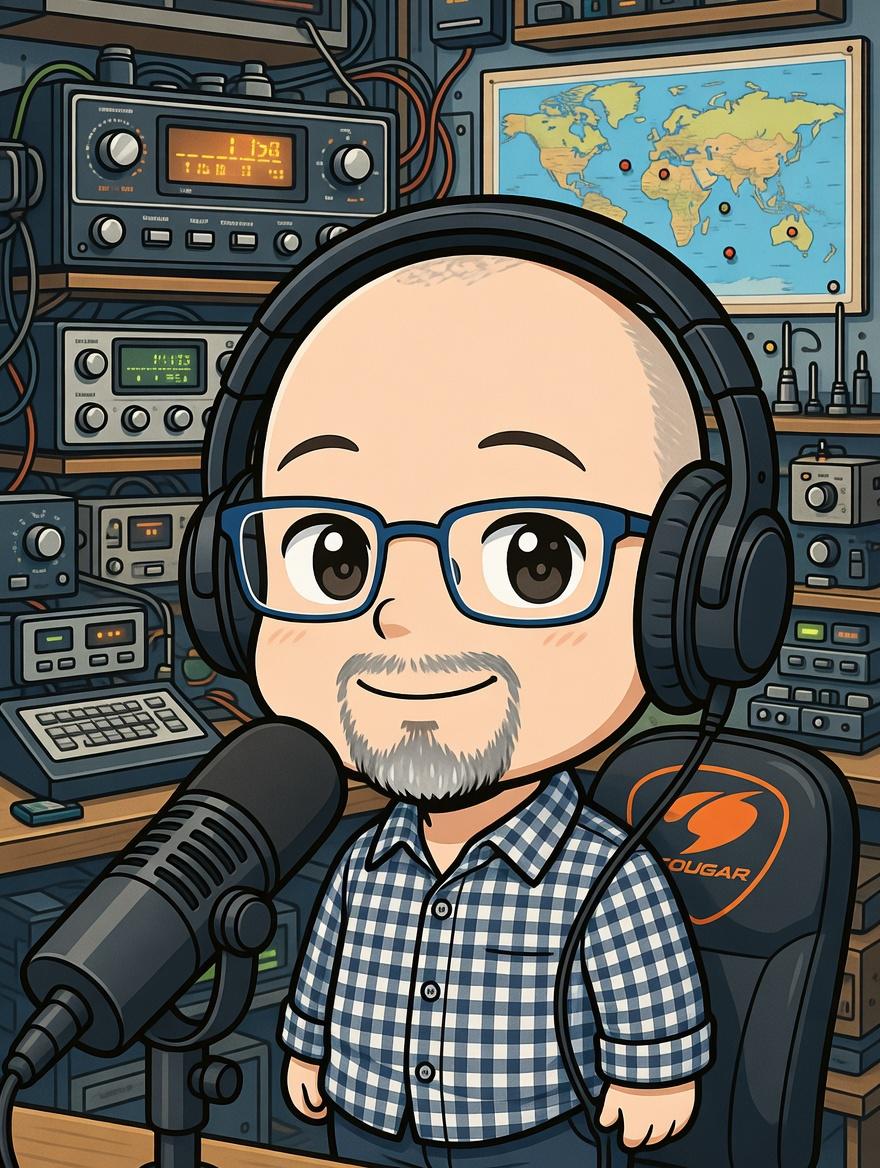
Licensed since 1995 · Previous calls: KE4UMG & KT4EB · WB4CS since 2013
HUNTSVILLE, ALABAMA · EM64SS
About me
Primarily active on HF, occasionally on VHF/UHF for local chats. I enjoy working CW and Voice modes, and do a bit of FT8 during the day while I'm at work. Love chasing DX stations and participating in contests.
Between 1996-2003 I was very active on HF under my previous callsign of KT4EB. I took a break from the hobby until 2012 when I got back on the local 2 Meter repeaters for a while. Then was inactive again between 2016 through late 2025. Attending the Huntsville Hamfest of 2025 reignited my passion for Amateur Radio and now I’m back, more active and involved than ever.
Professionally I work in Information Technology as a Network Engineer. My tech background turned into another hobby and I self-host several applications at home, including Wavelog for amateur radio logging.
I only QSL with LoTW and QRZ. Contacts upload automatically to both every two hours. I don't use paper QSL cards — if you send me one, I'll hang it on the wall and appreciate it, but I won't be able to send one back.
I share the station with my fiancé, Cindy, K4SYD.
 73 from WB4CS! dit dit
The station
Shack & Antenna
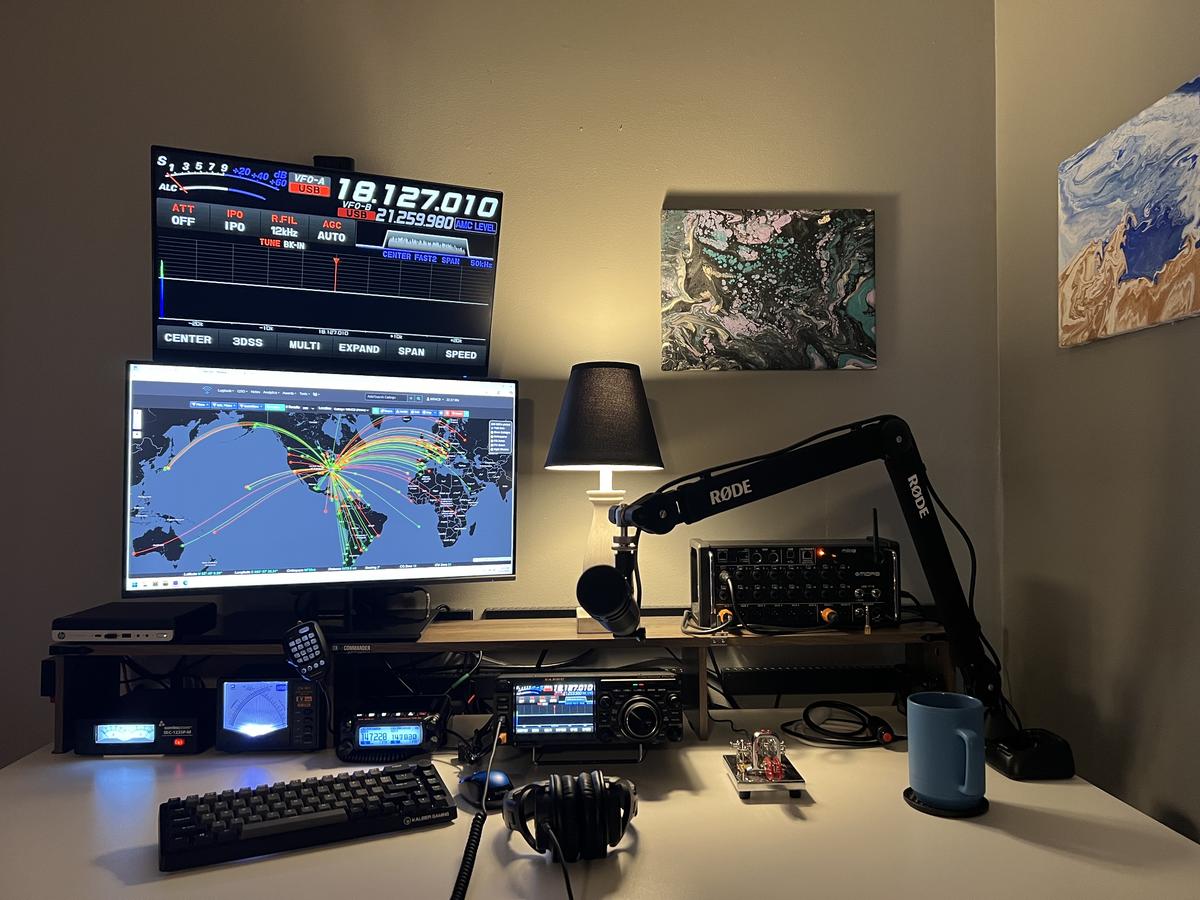
The "corner shack" — set up in the corner of the dining and kitchen area. If you want a better view, click on the photo and it will open the full image in a new tab.
Top monitor: OpenHamClock Dashboard. Bottom left monitor: Shack PC displaying Wavelog. Bottom right monitor: FTDX-10 Screen.
Station Audio
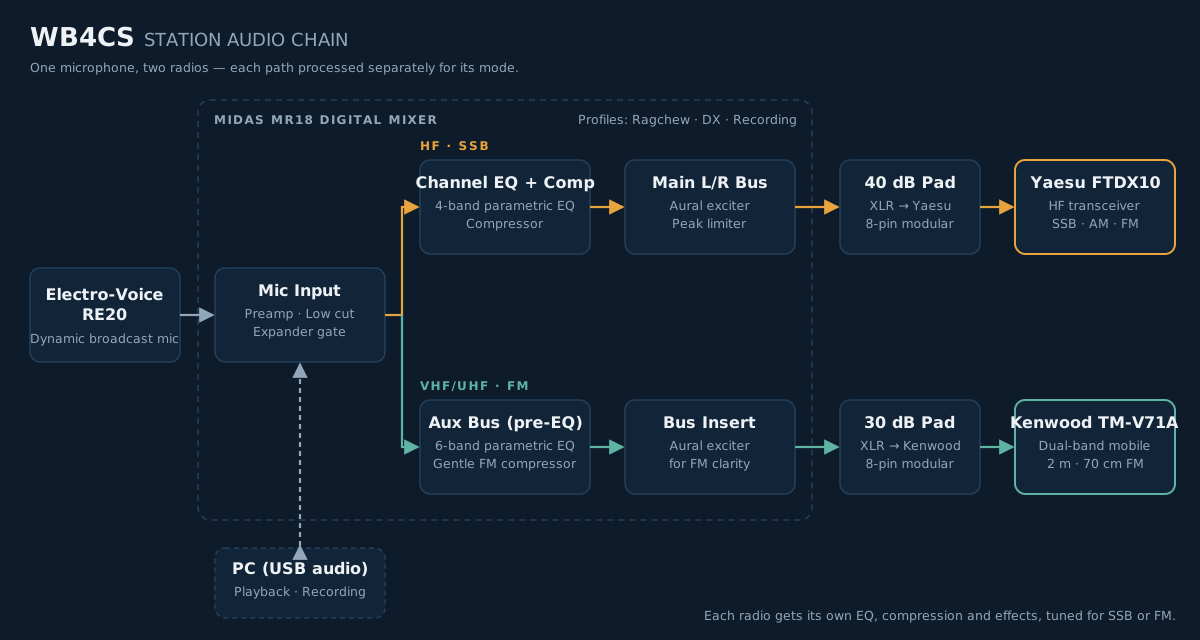
I often get asked about my audio setup in the shack. I'm using an Electro-Voice RE20, a broadcast-studio dynamic mic, that feeds into a Midas MR18 digital mixer. The MR18 splits audio into two independent paths, so each radio gets audio tuned for its own mode instead of a one-size-fits-all setting.
For HF SSB on the Yaesu FTDX10, the audio chain gets a parametric EQ and compressor shaped for the narrow SSB passband, an exciter for presence, and a peak limiter. I have separate profiles depending on what I'm doing. A fuller, warmer audio profile for ragchewing and a punchier, denser audio profile for DX and contests. Each profile has unique EQ and compression settings.
For FM on the Kenwood TM-V71A, the signal is split off before the HF processing and gets its own EQ, exciter and gentle compression. FM sounds best natural and clean, so it gets lighter treatment, with a limiter to keep deviation in check.
Some might say this level of audio equipment is too much for only 3kHz of audio bandwidth. And truthfully, it is. A cheap $20 microphone would get the job done and sound almost the same. Audio is like a second hobby to me, something I enjoy tinkering with and learning.
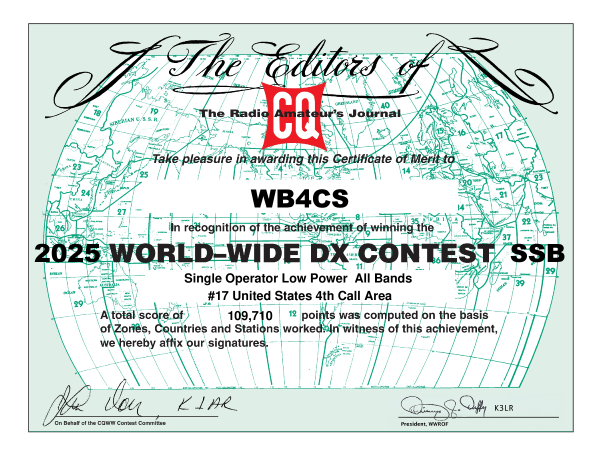
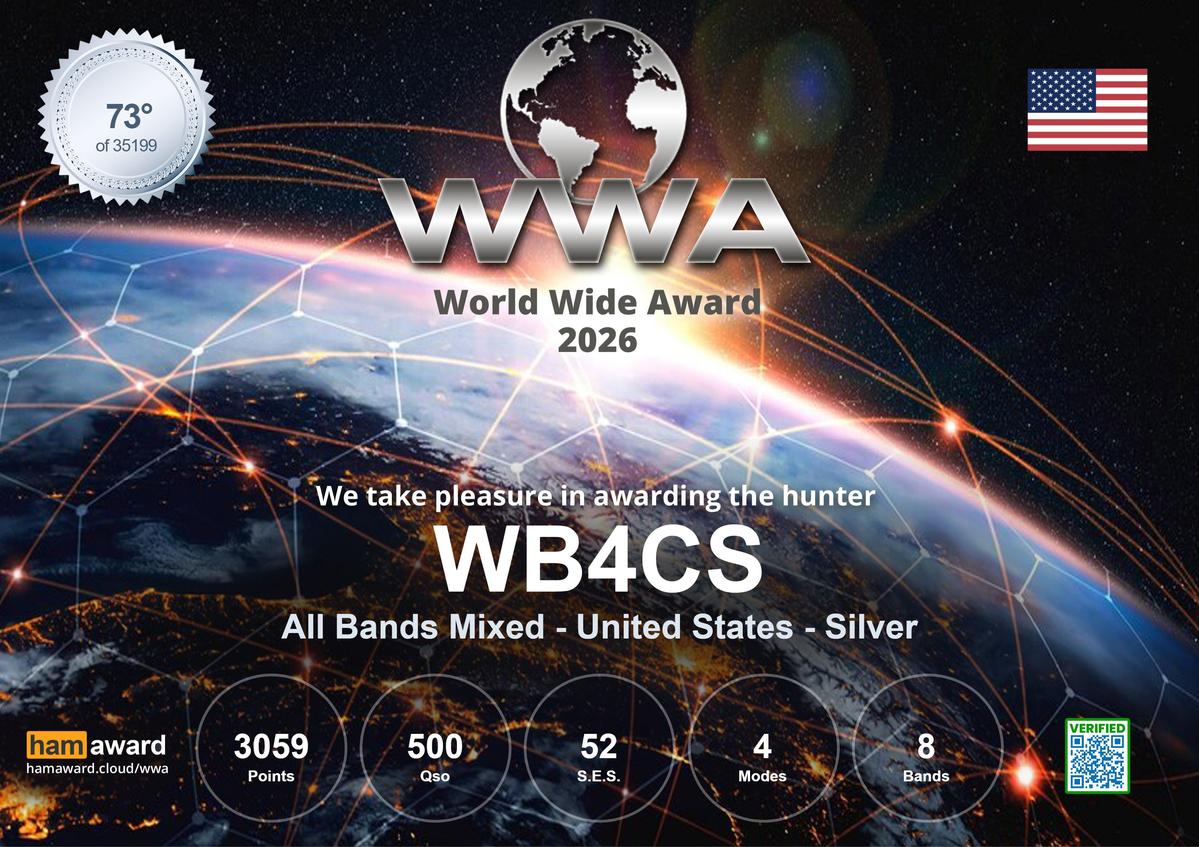
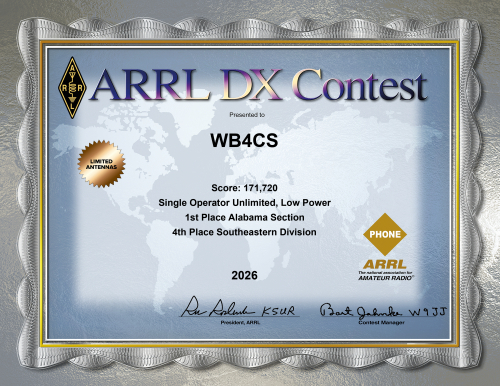
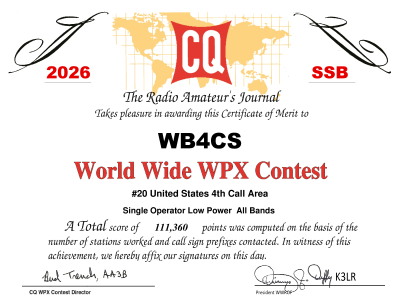
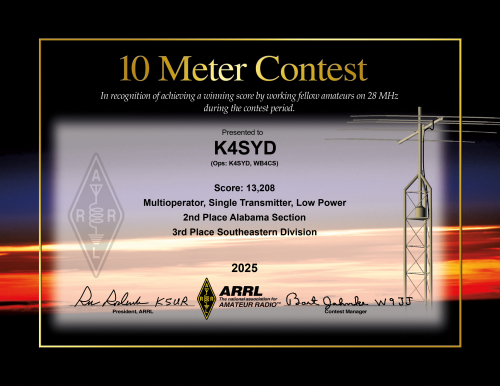
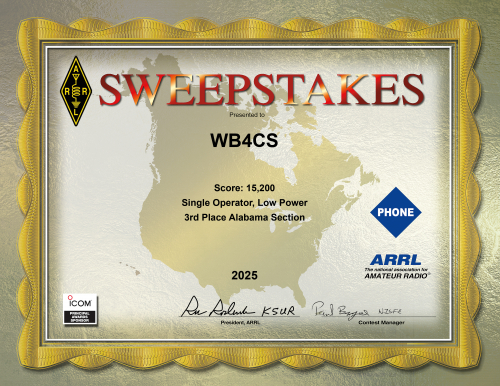
Awards & Certificates
Yes, this QRZ profile was built using the help of AI. As much as I believe that AI will someday lead to the destruction of our world, I wanted to create a profile without having to spend weeks learning HTML and CSS.